
How to Choose an Area Rug for Your Living Room (Without Guessing)
Buying a rug feels simple right up until it actually arrives in your living room. It looked perfect online. Then it shows up and either envelopes the whole living room or hides under the coffee table like it's hoping nobody notices it's the wrong size.
Almost every rug mistake comes down to one thing: size, picked out before anyone actually measured the room.
Here's the good news. This is one of the few furniture decisions you can actually get right on the first try.
What Size Rug Does a Living Room Actually Need?
The rule interior designers point to is simple: the front legs of every major piece of furniture should sit on the rug. That single rule solves most of the guesswork, but it only works once the room itself is measured, not guessed at from across the showroom.
As a starting living room rug size reference:
- A small living room, around 150 square feet, generally works well with a 6 by 9 rug.
- An average sized living room, around 200 square feet, usually calls for an 8 by 10 or 9 by 12 rug.
- A larger room, 300 square feet or more, often needs a 9 by 12 rug or bigger to avoid looking undersized.
These numbers matter more than almost anything else in the decision, since a rug in the wrong size range is the single most common regret shoppers mention after the fact.
Where Should the Rug Actually Sit?
Leave roughly 12 to 18 inches of bare floor between the rug's edge and the wall. That gap is what frames the room instead of overwhelming it. If the furniture floats in the middle of the room rather than pushed against the walls, the rug needs to be large enough to sit fully under every piece, not just the front legs.
So how do you know if a room is a floating layout or a wall hugging one? Walk it. If there's space to walk fully around the seating area, it's floating, and the rug needs to cover that entire footprint, not just the middle.
What If You're Stuck Between Two Sizes?
A rug that runs slightly larger than expected almost always reads as intentional. A rug that's too small almost always reads as an accident, like something left over from a smaller room. When deciding between two sizes, lean toward the larger one, that's the single piece of advice worth remembering above everything else in this guide.
Painter's tape on the floor is a genuinely useful trick here, marking out the exact footprint before ordering takes about ten minutes and removes almost all the guesswork from an area rug size guide decision. Stand back, look at it for a day or two, and the right call usually becomes obvious.
Does the Rug Really Change How the Room Feels?
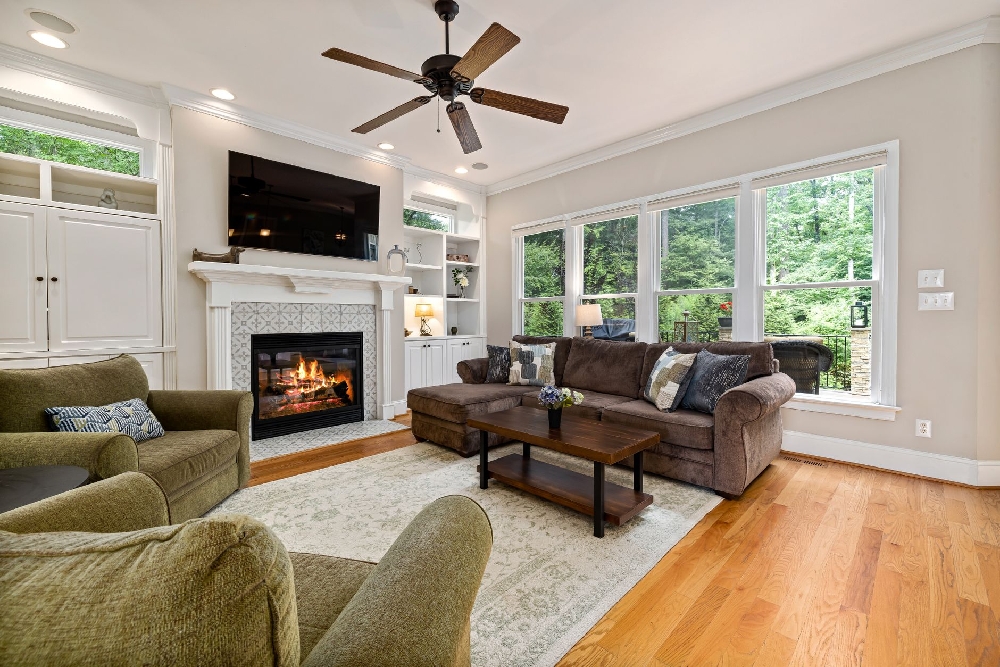
A properly sized rug anchoring the sofa and armchairs in a living room
The right rug does more than cover floor space, it anchors the seating area and visually ties separate pieces of furniture into one arrangement. Skip it, or get the size wrong, and a living room can feel scattered even when every individual piece in it is genuinely nice.
It also does quiet, practical work most people never think about until it's missing. A rug softens footsteps and cuts down on the echo that hard flooring creates in an open living room, which matters more than it sounds like in a house with kids, a dog, or a downstairs neighbor. It also protects hardwood or tile from the scuffs that heavy furniture legs leave behind over a few years of normal use.
Which Rug Material Actually Holds Up?
Material affects both feel and upkeep, and it's worth thinking through before color or pattern. According to the Carpet and Rug Institute, a well made wool rug can last anywhere from 20 to 50 years with proper care, since wool naturally resists crushing under furniture and cleans up reasonably well.
Synthetic blends built for indoor use, nylon, polyester, or polypropylene, cost less up front but typically last closer to 3 to 10 years, since they flatten and fade faster under a sofa or coffee table. Natural fiber rugs like jute or sisal bring texture and a more casual look, though they generally run 3 to 7 years, since they're less forgiving with spills, which matters in a household with young kids or pets.
Pile height matters too. A low pile rug is easier to vacuum and won't catch on furniture legs or doors that swing close to the floor. A higher pile feels nicer underfoot but shows wear patterns sooner in high traffic paths, like the route from a sofa to a hallway. Neither one is objectively better, it comes down to how the room actually gets used day to day.
| Material | Typical Lifespan | Best For | Keep In Mind |
| Wool | 20 to 50+ years | High traffic living rooms, long term investment | Higher upfront cost |
| Synthetic blend | 3 to 10 years | Budget friendly, lighter traffic areas | Flattens and fades faster |
| Jute or sisal | 3 to 7 years | Casual, textured look | Sensitive to moisture and spills |
| Hand knotted | 20 to 50+ years | Heirloom quality pieces | Highest upfront cost |
What About Color and Pattern?
A neutral rug in a tone close to the existing flooring gives the most flexibility if the room's decor changes over time. It acts as a backdrop rather than a focal point. A piece like the Gentor medium rug is a good example of that kind of neutral, background friendly option.
A patterned or darker rug is a practical choice in a busy household, since it hides everyday dirt and pet hair far better than a light solid color does. Neither choice is wrong, it depends on how much the rug is meant to stand out versus simply support everything else in the room.
The bottom line is that size and placement do almost all the heavy lifting. Get those two things right first, and color or material becomes a much easier, less stressful decision.
Is a Rug Really Worth the Investment?
A well made rug in the right size, when cared for reasonably, holds up for ten to fifteen years of daily use. Spread across that stretch of time, even a solid, higher quality rug ends up costing a few dollars a month, which is a very different way to look at the price tag than judging it purely on the sticker at checkout.
The rug you actually use every day for a decade is worth more than the one that just photographs well. A quick vacuum weekly and a rotation every six months or so, so foot traffic and sunlight wear evenly rather than in one spot, is really all the upkeep most rugs need to hold up that long.
Browsing a mid range option like the Laddway medium rug in person is a reasonable way to get a feel for what that price range actually looks and feels like.
Still not sure what size is right for your space? Bring your room measurements into Bex Furniture Outlet, browse the full rug collection, and our team will help you work out the right size before you buy anything.
Furnishing the whole room at once? Our financing and layaway options let you take it home now and pay over time, and you can pair your new rug with a look through our sofa and living room collection while you're at it.
Or stop by our Calumet City showroom and bring that painter's tape outline with you if you made one. What size is your living room actually working with?
Common Questions About Choosing a Rug
- How much should I expect to spend on a good area rug?
A: A quality synthetic or blended rug suited for a living room typically runs somewhere between $100 and $300, with wool and hand knotted pieces running higher depending on size. - Can a rug actually be too big for a room?
A: It's rare, and it's a far less common mistake than buying too small. As long as roughly 12 to 18 inches of floor stays visible around the edges, a slightly larger rug almost always looks intentional. - How often does a living room rug need to be replaced?
A: With reasonable care, a quality wool or hand knotted rug can last well over a decade, sometimes several decades, while budget synthetic blends typically need replacing within 5 to 10 years.